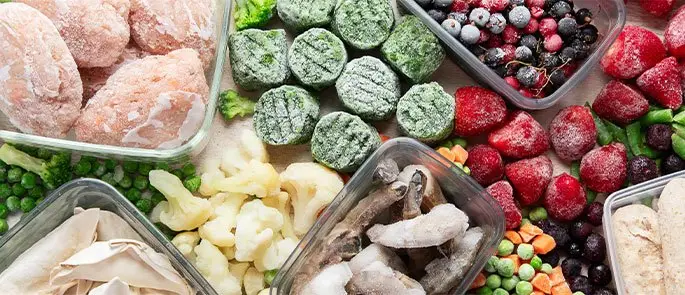
Knowing how to thaw and defrost food safely is an important part of good food hygiene. If frozen food isn’t defrosted correctly, harmful bacteria can multiply as the food becomes warmer, increasing the risk of food poisoning. Some foods can also cook unevenly if they are still frozen in the middle, which could mean harmful bacteria aren’t destroyed. In this article, we’ll explain exactly how to thaw and defrost food safely.
Why Thawing Matters
Freezing food doesn’t usually kill harmful bacteria. Instead, the cold temperature stops or slows their growth, leaving them dormant until the food begins to thaw. As food becomes warmer, bacteria can become active again and start to multiply, particularly if food is left at unsafe temperatures for too long. This is why it’s important to thaw food correctly.
Food that needs to be kept chilled, such as raw meat, poultry and fish, should not be left to defrost at room temperature. Keeping food cold while it thaws helps to control the growth of harmful bacteria and keep it out of the temperature danger zone.
Thawing food properly is also important because frozen food may not cook evenly if it’s not properly thawed. If the outside of a food item has thawed but the centre is still frozen, the outside may cook before the middle has reached a safe temperature. This is particularly important when cooking raw meat and poultry.
Safe Methods for Thawing and Defrosting Food
There are several ways to thaw and defrost food, but the safest method for most foods is to let them thaw slowly in the fridge. This keeps food at a cold temperature throughout the process and reduces the opportunity for harmful bacteria to multiply.
Before defrosting food, always check the packaging for instructions as some frozen foods are designed to be cooked directly from frozen and don’t need to be thawed first. If the packaging provides specific defrosting or cooking instructions, follow these carefully.
Defrosting Food in the Fridge
Defrosting food in the fridge is generally the safest method because the food remains cold while it thaws. However, you need to plan ahead, as larger or thicker items can take several hours or even overnight to fully defrost. When defrosting food in the fridge:
- Keep the food covered or in its original packaging.
- Place raw meat, poultry and fish on a plate or in a container to catch any liquid.
- Store raw foods away from ready-to-eat foods to prevent cross-contamination.
- Place raw meat and poultry on the bottom shelf of the fridge.
- Make sure your fridge is operating at a safe temperature, usually 5°C or below.
Defrosting Food in the Microwave
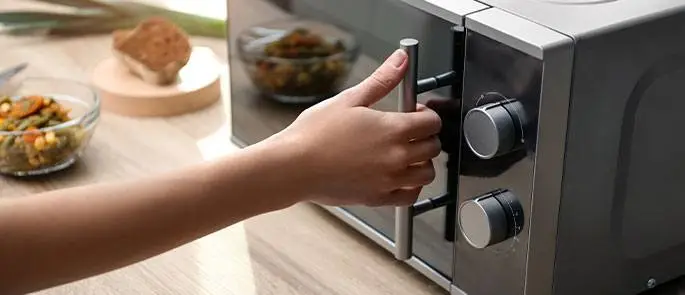
A microwave can be used when food needs to be defrosted quickly. However, parts of the food can start to warm or cook during the process, so it’s important to cook the food immediately after it has been defrosted. When using a microwave to defrost food:
- Use the microwave’s defrost setting where available.
- Follow the manufacturer’s instructions for both the food and the microwave.
- Turn or rotate the food during defrosting if necessary to help it thaw evenly.
- Check the centre of the food to make sure it has fully defrosted.
- Cook the food immediately after defrosting.
Defrosting Food in Water
Some foods can be defrosted using cold water, although defrosting in the fridge is the safer option. If using cold water, keep the food securely packaged and make sure it cannot come into contact with other foods.
Never use warm or hot water to speed up the defrosting process, as the outside of the food could become warm enough for harmful bacteria to multiply while the centre remains frozen.
Want to Learn More?
Our Food Hygiene Training covers essential food safety practices, including food storage, preparation, contamination and hygiene.
How to Safely Defrost Specific Types of Food
Different foods require different considerations when they’re being defrosted. Raw foods, such as meat, poultry and fish, need particular care because they can contain harmful bacteria. Ready-cooked foods need to be handled carefully to prevent cross-contamination and ensure they are reheated safely.
How to Defrost Poultry Safely
Raw poultry, including chicken, turkey and duck, can carry harmful bacteria such as Campylobacter and Salmonella. Take extra care when defrosting poultry to prevent the juices from contaminating other food, surfaces and equipment. To defrost poultry safely:
- Defrost poultry in the fridge, keeping it covered and separate from other foods.
- Place it on a plate or in a container to catch any liquid released during defrosting.
- For a whole bird, check that there are no ice crystals inside the cavity.
- Ensure the poultry is completely defrosted before cooking, unless the manufacturer’s instructions state that it can be cooked from frozen.
- Once fully defrosted, keep poultry refrigerated until you are ready to cook it.
- Cook poultry within 24 hours of it being fully defrosted.
- Wash your hands thoroughly after handling raw poultry.
- Clean and disinfect any surfaces, utensils or containers that have come into contact with raw poultry.
How to Defrost Raw Meat Safely
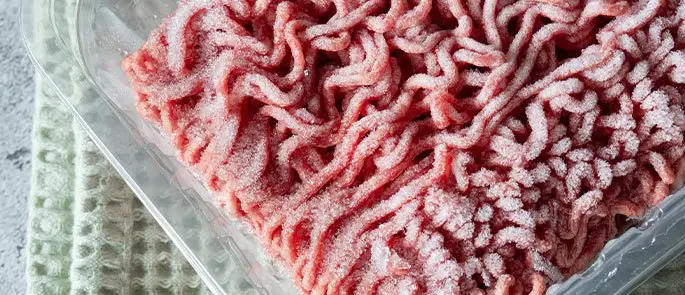
Raw meat should be defrosted carefully to prevent its juices from spreading harmful bacteria around the kitchen. Defrosting meat in the fridge is always the safest option. You should also:
- Keep raw meat covered while it is defrosting.
- Place raw meat on the bottom shelf of the fridge to prevent liquid from dripping onto other foods.
- Use a plate or suitable container to catch any liquid.
- Make sure the thickest part of the meat is fully defrosted before cooking, unless the manufacturer’s instructions state that it can be cooked from frozen.
- Keep the meat refrigerated once it has defrosted.
- Cook the meat within 24 hours of it being fully defrosted.
- If using a microwave to defrost meat, cook it immediately afterwards.
- Wash your hands thoroughly after handling raw meat.
- Clean and disinfect surfaces and equipment that have come into contact with raw meat.
How to Defrost Fish and Seafood Safely
Fish and seafood should be defrosted in the fridge, kept covered and separated from ready-to-eat foods to reduce the risk of cross-contamination. The time needed for defrosting will depend on the type and size of the fish or seafood; small portions may thaw relatively quickly, while larger or thicker pieces can take much longer. To defrost fish and seafood safely:
- Defrost fish and seafood in the fridge wherever possible.
- Keep fish and seafood covered while they are defrosting.
- Place them on a plate or in a container to catch any liquid.
- If using a microwave to defrost fish or seafood, cook it immediately afterwards.
- Keep raw fish and seafood separate from ready-to-eat foods.
How to Defrost Ready-Cooked Foods safely
Ready-cooked foods such as batch-cooked bolognese, chilli, casseroles and pasta bakes can be frozen for later use if they have been prepared, cooled and stored safely. When you’re ready to eat them, defrost them thoroughly before reheating. To defrost ready-cooked foods safely:
- Defrost ready-cooked food in the fridge, preferably overnight.
- Keep the food covered while it is defrosting.
- Make sure the centre of the food is fully defrosted before reheating.
- Check for ice crystals or frozen areas, particularly in the middle of dense foods.
- If using a microwave to defrost the food, reheat it immediately afterwards.
- When reheating, make sure the food is steaming hot throughout.
How to Defrost Frozen Fruit and Vegetables Safely
Many frozen fruits and vegetables are designed to be used directly from frozen, so they may not need to be thawed before use. Always check the packaging for instructions before defrosting or cooking. If frozen fruit or vegetables do need to be thawed:
- Follow the instructions on the packaging.
- Defrost them in the fridge if they need to be kept chilled.
- Keep them covered to prevent contamination.
- Use clean utensils and containers when handling them.
Frequently Asked Questions and Safety Rules
Knowing the basic rules for defrosting food can help you avoid common food safety mistakes. The following frequently asked questions cover some of the things to consider when thawing, storing and cooking frozen food:
What are the most important food safety rules when defrosting?
Can you refreeze food once it has been thawed?
How do you know when food is fully defrosted?
Can you cook food straight from frozen?
How long can defrosted food stay in the fridge before cooking?
What should you do with liquid from defrosting meat?
Taking care when thawing and defrosting food is a simple way to reduce the risk of food poisoning and cross-contamination. By keeping food cold while it thaws, following the manufacturer’s instructions for ready-made foods and taking extra care with raw meat, poultry and fish, you can help ensure food remains safe to eat.
Further Resources:
- Food Hygiene Certificate | Levels 1, 2 & 3
- Do You Know Which Fridge Shelves You Should Store Your Food On?
- How to Defrost a Freezer